

Safe and Effective Senior Pilates Exercises for Every Body
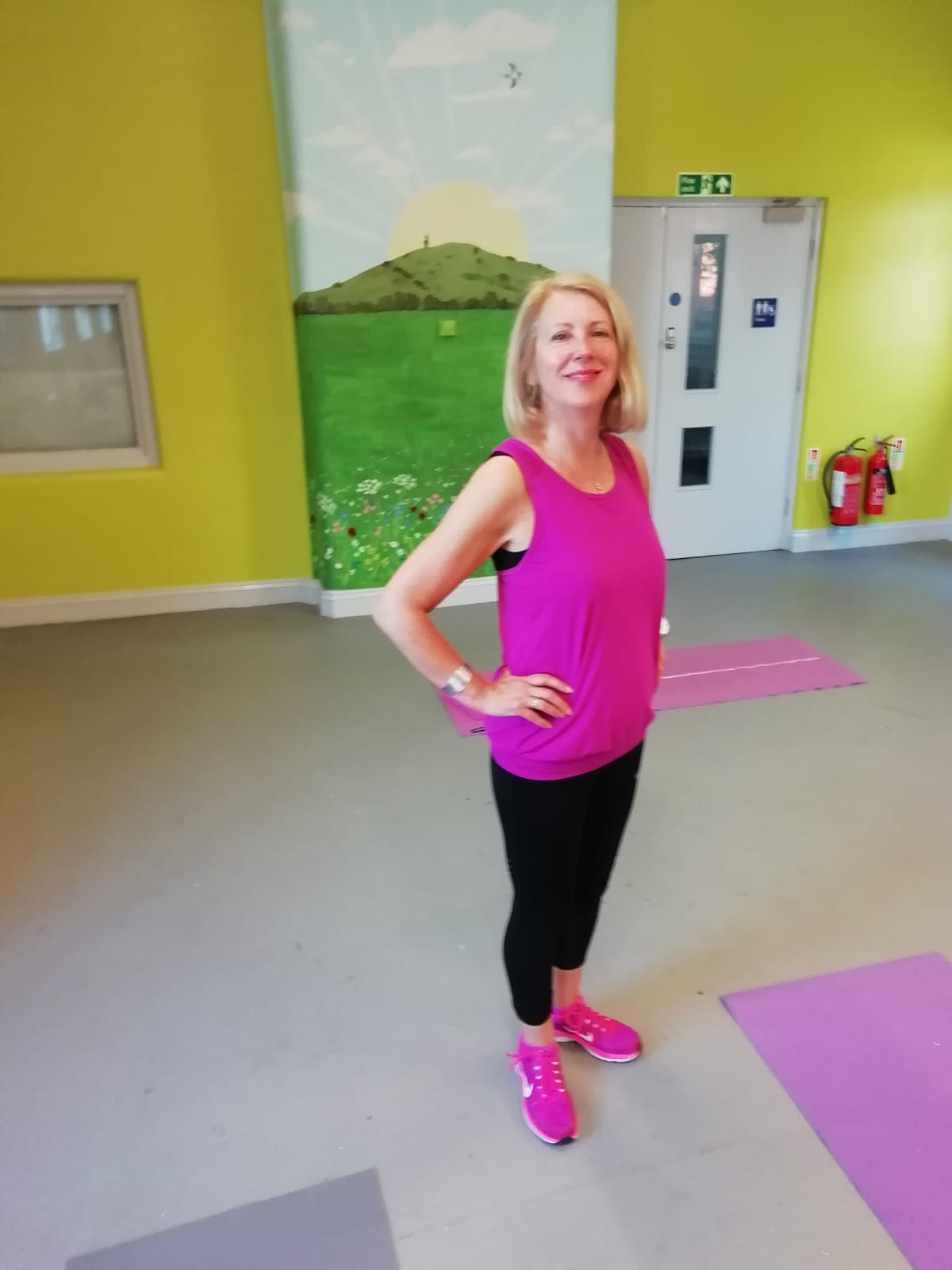
Pilates has been a game-changer for me, especially as I’ve gotten older. It’s gentle, effective, and honestly, it feels like a little celebration of what my body can do rather than what it can’t. If you’re curious about how to start or keep up with Pilates safely as a senior, you’re in the right place! I’m excited to share some tips, exercises, and encouragement to help you enjoy Pilates with confidence.
Why Senior Pilates Exercises Are So Beneficial
Pilates is fantastic for seniors because it focuses on core strength, flexibility, balance, and posture. These are all areas that tend to weaken with age, but Pilates helps keep them strong and steady. Plus, it’s low-impact, so it’s kind to your joints.
Here’s what I love about senior Pilates exercises:
Improved balance: This helps reduce the risk of falls.
Better posture: Sitting and standing tall feels great and prevents aches.
Increased flexibility: Moving freely is a joy!
Core strength: A strong core supports your back and overall mobility.
Mind-body connection: Pilates encourages mindfulness and breathing, which is calming.
You don’t need to be super fit or flexible to start. Pilates meets you where you are and helps you grow stronger safely.
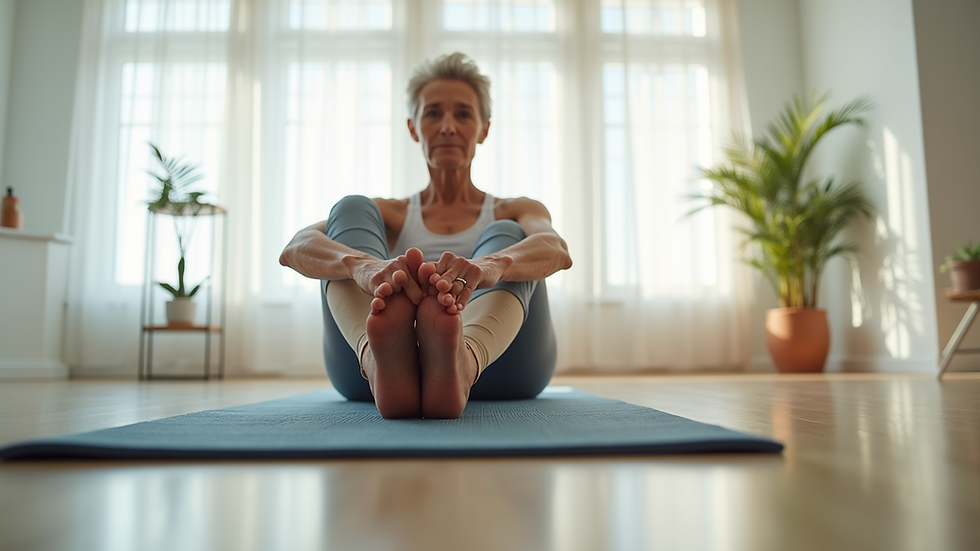
Getting Started with Senior Pilates Exercises
Starting Pilates as a senior can feel a bit intimidating, but it doesn’t have to be! Here’s how I recommend you begin:
Find a qualified instructor: Look for someone experienced in teaching seniors. They’ll know how to modify exercises safely.
Start slow: Begin with beginner classes or gentle sessions. It’s all about building confidence.
Use props: Pilates balls, resistance bands, and cushions can make exercises easier and more comfortable.
Listen to your body: If something hurts or feels off, stop and ask for guidance.
Consistency is key: Even 15-20 minutes a few times a week can make a big difference.
Some great beginner exercises include pelvic tilts, seated spine twists, and gentle leg lifts. These help build core strength and improve mobility without strain.

Is 70 Too Old to Do Pilates?
Absolutely not! Age is just a number, and Pilates is designed to be adaptable for all ages and abilities. I’ve met many people in their 70s, 80s, and beyond who have found Pilates to be a wonderful way to stay active and healthy.
At 70 and older, your body might have some limitations, but Pilates instructors can tailor exercises to suit your needs. The focus is on gentle strengthening, improving balance, and increasing flexibility. It’s never about pushing too hard or competing with anyone else.
If you’re wondering whether Pilates is right for you at 70 or older, here’s a little secret: it’s one of the safest and most effective ways to keep moving well. Just remember to:
Communicate any health concerns with your instructor.
Start with beginner or senior-specific classes.
Use modifications and props as needed.
Focus on breathing and control rather than speed or intensity.
You might be surprised how quickly you feel stronger and more balanced!
Tips for Practicing Safe Pilates for Seniors
Safety is my top priority when it comes to Pilates, especially for seniors. That’s why I always recommend safe pilates for seniors to ensure you’re doing exercises that protect your joints and muscles.
Here are some tips to keep your Pilates practice safe and enjoyable:
Warm up properly: Spend 5-10 minutes warming up your body with gentle movements.
Focus on form: Quality over quantity. Proper alignment prevents injury.
Avoid overextending: Don’t push your joints beyond their comfortable range.
Use support: Chairs, walls, or cushions can help with balance and stability.
Stay hydrated: Drink water before and after your session.
Rest when needed: It’s okay to take breaks or skip a day if you’re tired.
Remember, Pilates is about control and precision, not speed or power. Taking it slow and steady will help you build strength safely.
Creating a Pilates Routine That Works for You
One of the best things about Pilates is how flexible it is. You can create a routine that fits your lifestyle, whether you prefer in-person classes in Killingworth or online sessions from the comfort of your home.
Here’s a simple weekly plan to get you started:
Monday: 20 minutes of gentle mat Pilates focusing on core and breathing.
Wednesday: 30 minutes of balance and flexibility exercises using props.
Friday: 20 minutes of posture and spinal mobility work.
Sunday: Rest or light stretching.
Feel free to adjust the days and times to suit your schedule. The key is consistency and enjoying the process.
If you’re new to Pilates, joining a class can be motivating and fun. Plus, you get expert guidance to keep your practice safe and effective. Many studios offer senior-friendly classes or private sessions tailored to your needs.
I hope this post inspires you to give Pilates a try or keep going with your practice! It’s such a wonderful way to nurture your body and mind as you age. If you have any questions or want to share your Pilates journey, I’d love to hear from you.
Thanks so much for reading, and happy Pilates!
Warmly,
[Your Name]


Comments