

Safe Pilates Exercises for Seniors: A Friendly Guide to Staying Strong and Balanced
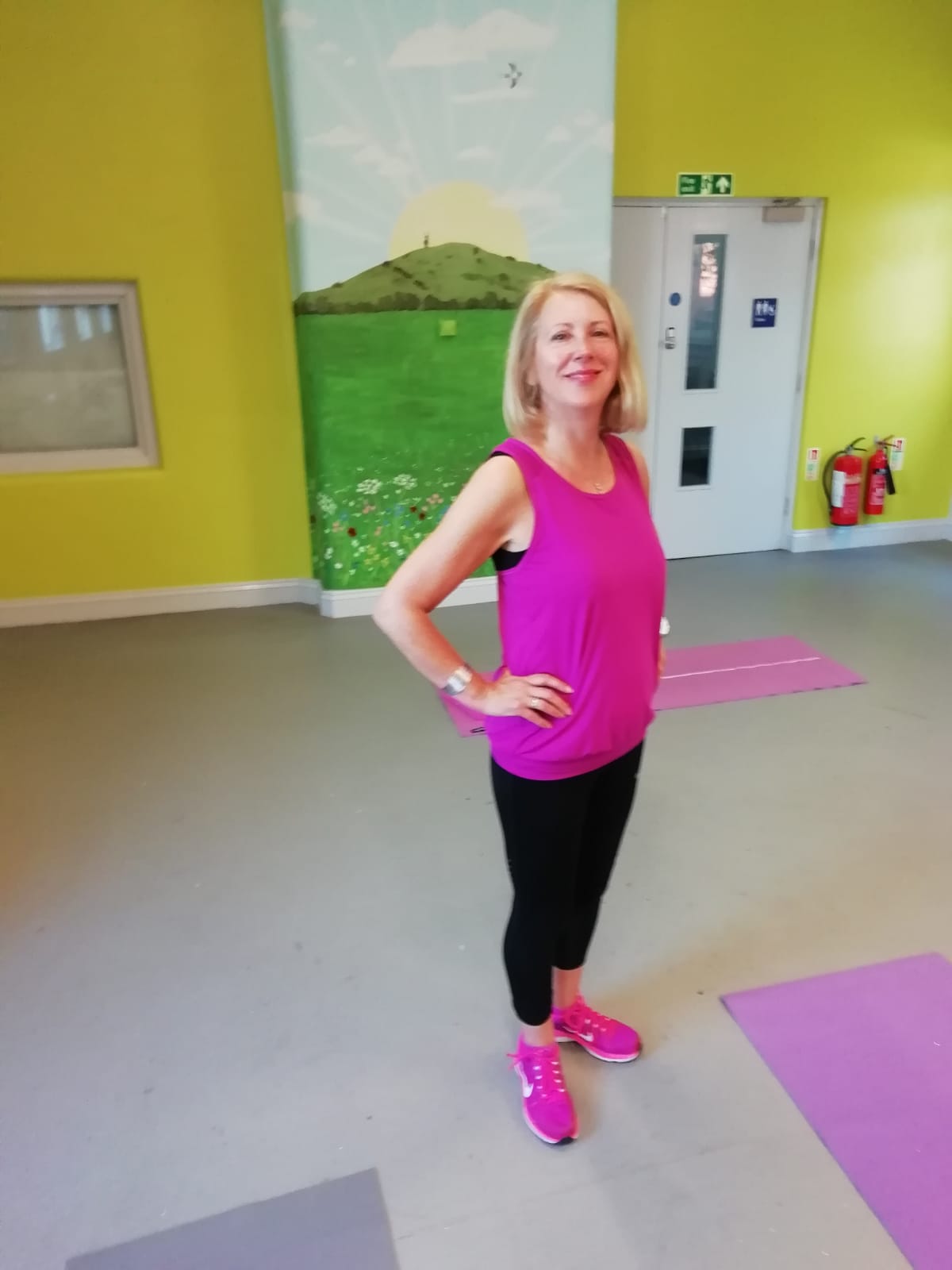
Getting older doesn’t mean we have to slow down or give up on feeling great in our bodies! In fact, Pilates is a fantastic way to stay active, improve balance, and build strength safely. I’ve found that with the right approach, Pilates can be a wonderful exercise choice for seniors. So, let’s dive into how you can enjoy safe pilates exercises that suit your pace and needs.
Pilates is all about controlled movements, breathing, and alignment. It’s gentle yet effective, making it perfect for those of us who want to stay fit without putting too much strain on joints or muscles. Whether you’re new to Pilates or coming back after a break, this guide will help you feel confident and excited to move!
Why Pilates is a Great Choice for Seniors
Pilates focuses on core strength, flexibility, and balance - all crucial areas as we age. Strong core muscles support your spine and help prevent falls, which is a big deal for maintaining independence. Plus, Pilates encourages mindful movement, which means you’re paying attention to how your body feels and moves. This awareness can reduce the risk of injury.
Here are some benefits I love about Pilates for seniors:
Improved posture - Sitting and standing tall feels easier.
Better balance - Helps prevent slips and falls.
Increased flexibility - Keeps joints moving smoothly.
Gentle strength building - No heavy weights needed!
Stress relief - Breathing techniques calm the mind.
You don’t need to be super flexible or fit to start. Pilates meets you where you are and helps you progress safely.

Safe Pilates Exercises to Try at Home or in Class
When it comes to safe pilates exercises, it’s all about choosing moves that protect your joints and respect your body’s limits. Here are some beginner-friendly exercises that I recommend:
1. Pelvic Curl
Lie on your back with knees bent and feet flat on the floor. Slowly lift your hips towards the ceiling, rolling your spine off the mat one vertebra at a time. Pause at the top, then slowly roll back down. This strengthens your glutes and lower back gently.
2. Chest Lift
Lie on your back with knees bent. Place your hands behind your head and lift your chest slightly off the floor, engaging your abdominal muscles. Keep your neck relaxed. This helps build core strength without straining.
3. Leg Slides
Lie on your back with knees bent. Slowly slide one leg out straight along the floor, then bring it back. Keep your pelvis stable. This improves hip mobility and control.
4. Seated Spine Twist
Sit tall with legs crossed or extended. Place your hands on your shoulders and gently twist your torso to one side, then the other. This enhances spinal flexibility.
5. Standing Roll Down
Stand tall with feet hip-width apart. Slowly roll down towards your toes, letting your head and arms hang. Roll back up one vertebra at a time. This stretches the spine and hamstrings.
Remember, it’s perfectly fine to modify these exercises. Use cushions, chairs, or props if needed. The goal is to feel challenged but comfortable.

Are there any downsides to Pilates?
I want to be honest with you - Pilates isn’t a magic cure-all. While it’s generally safe, there are a few things to keep in mind:
Not all Pilates classes are created equal. Some might be too intense or fast-paced for beginners or seniors. Always choose classes or instructors who understand your needs.
Certain medical conditions require caution. If you have osteoporosis, severe arthritis, or recent surgeries, check with your doctor before starting.
Risk of overdoing it. It’s tempting to push yourself, but Pilates is about control and precision. Overexertion can lead to muscle strain.
Learning curve. Pilates technique takes time to master. It’s better to start slow and focus on form rather than rushing through exercises.
Despite these points, with proper guidance and listening to your body, Pilates can be a safe and enjoyable way to stay active.
Tips for Practicing Pilates Safely and Effectively
To get the most out of your Pilates practice, here are some practical tips I’ve picked up along the way:
Start with a qualified instructor. Whether online or in person, a good teacher will tailor exercises to your abilities.
Warm up gently. Begin with light stretches or walking to prepare your muscles.
Focus on breathing. Pilates breathing helps engage your core and relax your body.
Use props for support. Chairs, cushions, or resistance bands can make exercises easier and safer.
Listen to your body. If something hurts or feels uncomfortable, stop and adjust.
Practice regularly but moderately. Aim for 2-3 sessions a week to build strength without fatigue.
Stay hydrated and wear comfortable clothing. This keeps you feeling fresh and free to move.
By following these tips, you’ll create a positive and sustainable Pilates routine.
Joining a Community for Motivation and Support
One of the best parts of Pilates is the community! Whether you join a local class or an online group, having others to share your journey with makes a huge difference. You can swap tips, celebrate progress, and stay motivated together.
If you’re looking for a welcoming place to start or continue your Pilates journey, I highly recommend checking out safe pilates for seniors. They offer accessible and engaging classes designed with seniors in mind. Plus, their instructors are fantastic at guiding you safely through every move.
Remember, staying active is a gift you give yourself. Pilates is a wonderful way to keep your body strong, flexible, and balanced - all while having fun!
Thanks so much for reading! I hope you feel inspired to try some safe pilates exercises and enjoy the many benefits they bring. Here’s to your health and happiness!
Warm wishes and happy stretching!


Comments