

Exploring Safe Pilates Practices for Seniors
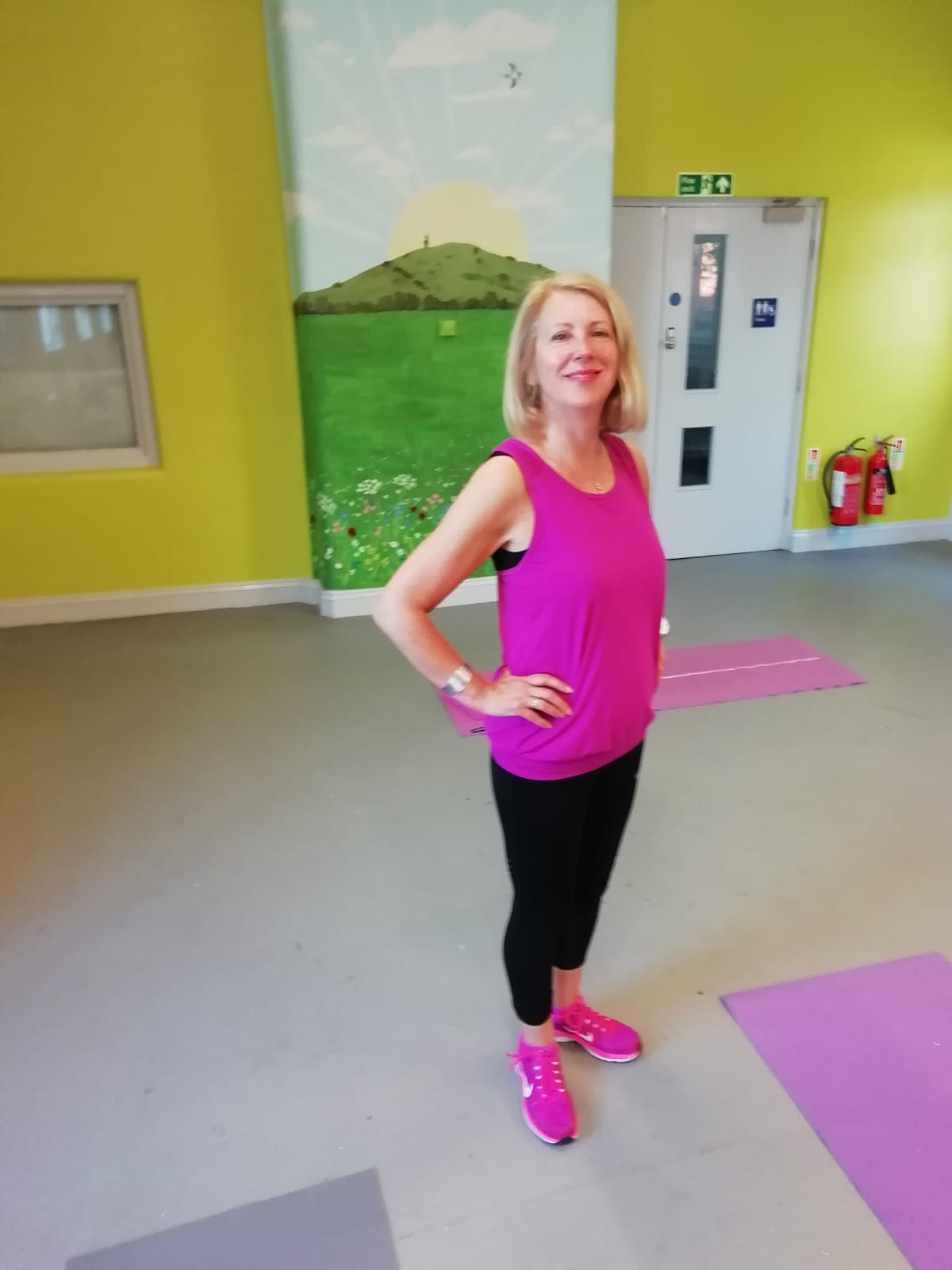
Pilates is such a fantastic way to stay active, especially as we get older! I’ve found it to be gentle yet effective, helping with flexibility, strength, and balance. But if you’re new to Pilates or thinking about starting, you might wonder how to do it safely. That’s exactly what I want to share with you today. Let’s dive into some safe Pilates practices that are perfect for seniors, so you can enjoy every session without worry!
Why Safe Pilates Practices Matter for Seniors
When we’re younger, our bodies bounce back quickly. But as we age, things change. Joints might get stiffer, muscles can weaken, and balance isn’t always what it used to be. That’s why it’s so important to approach Pilates with care.
Safe Pilates practices mean modifying exercises to suit your body’s needs. It’s about listening to yourself and avoiding moves that cause pain or discomfort. For example, if you have arthritis or osteoporosis, certain positions might need adjusting. The goal is to build strength and flexibility without risking injury.
Here are some tips I always keep in mind:
Start slow and focus on form, not speed.
Use props like cushions or resistance bands for support.
Work with a qualified instructor who understands senior needs.
Avoid exercises that strain the neck or lower back.
Keep breathing steady and controlled throughout.
By following these simple guidelines, Pilates becomes a safe and enjoyable part of your routine!
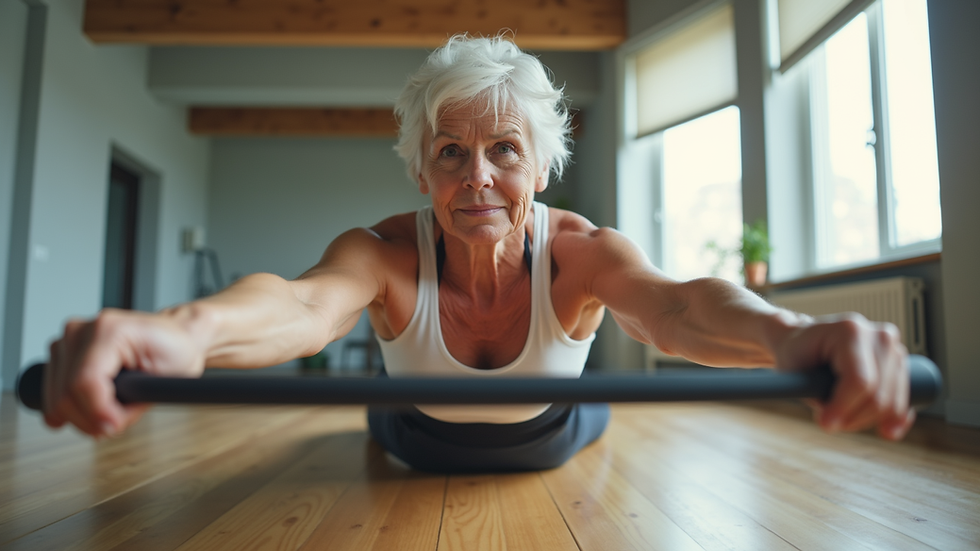
How to Incorporate Safe Pilates Practices into Your Routine
Now, let’s talk about how you can bring these safe Pilates practices into your own sessions. Whether you’re attending a class in Killingworth or joining an online group, these tips will help you get the most out of your workout.
Warm Up Gently
Always start with a gentle warm-up to get your muscles ready. Simple stretches or light walking can do the trick.
Focus on Core Strength
Pilates is famous for core work, but it’s important to engage your abdominal muscles without overdoing it. Try exercises like pelvic tilts or seated marches.
Modify When Needed
Don’t hesitate to change a move if it feels uncomfortable. For example, if a full plank is too challenging, try a wall plank instead.
Use Props
Chairs, cushions, or Pilates rings can provide extra support and make exercises safer.
Stay Consistent
Aim for regular sessions, even if they’re short. Consistency helps build strength and balance over time.
Cool Down and Stretch
Finish with gentle stretches to relax your muscles and improve flexibility.
Remember, the key is to enjoy the process and celebrate small improvements. Pilates is not about perfection but progress!

If you want to explore more about safe pilates for seniors, there are plenty of resources and classes designed specifically with older adults in mind.
Are there any downsides to Pilates?
I know Pilates sounds wonderful, but it’s fair to ask if there are any downsides. Honestly, Pilates is generally very safe, but like any exercise, it’s not without some risks if done incorrectly.
Risk of Injury: If you push too hard or use poor form, you might strain muscles or joints. That’s why guidance from a trained instructor is so valuable.
Not a Complete Workout: Pilates focuses on core strength and flexibility but doesn’t replace cardiovascular exercise. It’s best combined with walking, swimming, or cycling.
Equipment Costs: Some Pilates classes use special equipment, which can be pricey. However, many exercises can be done on a mat with minimal props.
Overall, the benefits far outweigh the risks, especially when you follow safe Pilates practices. Just remember to listen to your body and take it at your own pace!
Practical Pilates Exercises for Seniors to Try at Home
I love sharing easy Pilates moves that anyone can do at home. Here are a few favourites that are gentle, effective, and safe for seniors:
1. Pelvic Tilt
Lie on your back with knees bent and feet flat on the floor.
Gently tilt your pelvis upward, flattening your lower back against the floor.
Hold for a few seconds, then release.
Repeat 10 times.
2. Seated Spine Twist
Sit tall on a chair with feet flat on the floor.
Cross your arms over your chest.
Slowly twist your upper body to the right, then back to centre.
Repeat on the left side.
Do 8-10 twists each side.
3. Leg Slides
Lie on your back with knees bent.
Slowly slide one leg out straight, keeping your foot on the floor.
Slide it back to the starting position.
Alternate legs for 10 repetitions.
4. Wall Roll Down
Stand with your back against a wall, feet hip-width apart.
Slowly roll your spine down towards your toes, one vertebra at a time.
Roll back up to standing.
Repeat 5 times.
These exercises help build strength and flexibility without putting too much strain on your body. Plus, they’re easy to fit into your day!
Staying Motivated and Connected with Pilates
One of the best parts of Pilates is the community. Whether you join a local class or an online group, having support makes a huge difference. I’ve found that sharing progress, asking questions, and celebrating milestones keeps me motivated.
Here are some ideas to stay connected and inspired:
Join a weekly Pilates class in Killingworth or online.
Set small goals, like improving posture or increasing reps.
Keep a Pilates journal to track your progress.
Connect with others on social media or forums.
Celebrate your achievements, no matter how small!
Remember, Pilates is a journey, not a race. Enjoy every step and be kind to yourself.
Thanks so much for reading! I hope these tips help you feel confident and excited about trying Pilates safely. If you have any questions or want to share your experiences, I’d love to hear from you. Happy Pilates!
Warm wishes and happy stretching!


Comments