

Pilates for Back Pain Relief
- moirespilates
- Oct 27, 2025
- 3 min read
Back pain is a common issue affecting millions worldwide. It can limit daily activities and reduce quality of life. Fortunately, Pilates offers a gentle yet effective way to manage and relieve back pain. This exercise method focuses on strengthening the core, improving posture, and increasing flexibility, all of which contribute to a healthier back.
Understanding Pilates for Back Pain
Pilates is a low-impact exercise system developed to improve physical strength, flexibility, and posture. It emphasizes controlled movements and breathing techniques. For those suffering from back pain, Pilates can be particularly beneficial because it targets the muscles that support the spine.
The core muscles, including the abdominals, lower back, hips, and pelvis, play a crucial role in stabilizing the spine. Weakness or imbalance in these muscles often leads to back pain. Pilates exercises strengthen these areas, helping to reduce strain on the back.
Some key benefits of Pilates for back pain include:
Improved posture: Pilates encourages proper alignment of the spine.
Increased flexibility: Stretching tight muscles reduces tension.
Enhanced core strength: Strong core muscles support the back.
Better body awareness: Mindful movement helps avoid harmful habits.

Pilates equipment designed to support controlled and safe exercises for back pain relief.
How Pilates Exercises Help Back Pain
Pilates exercises are designed to be gentle yet effective. They focus on slow, controlled movements that engage the core and promote spinal alignment. Here are some examples of Pilates exercises that can help relieve back pain:
Pelvic Tilts
This exercise strengthens the lower abdominal muscles and improves pelvic mobility. Lying on your back with knees bent, gently tilt your pelvis upward and flatten your lower back against the floor. Hold for a few seconds and release.
Cat-Cow Stretch
Performed on hands and knees, this movement increases spinal flexibility. Arch your back up like a cat, then slowly lower it into a cow position, lifting your chest and tailbone.
Bridging
This strengthens the glutes and lower back. Lie on your back with knees bent, then lift your hips off the floor to form a straight line from shoulders to knees.
Spine Stretch Forward
Sitting with legs extended, reach forward slowly while keeping the spine long. This stretches the back muscles and hamstrings.
Swimming
Lying on your stomach, lift opposite arm and leg simultaneously, alternating sides. This strengthens the back extensors and improves coordination.
These exercises can be modified to suit different levels of ability and pain severity. It is important to perform them with proper technique to avoid injury.

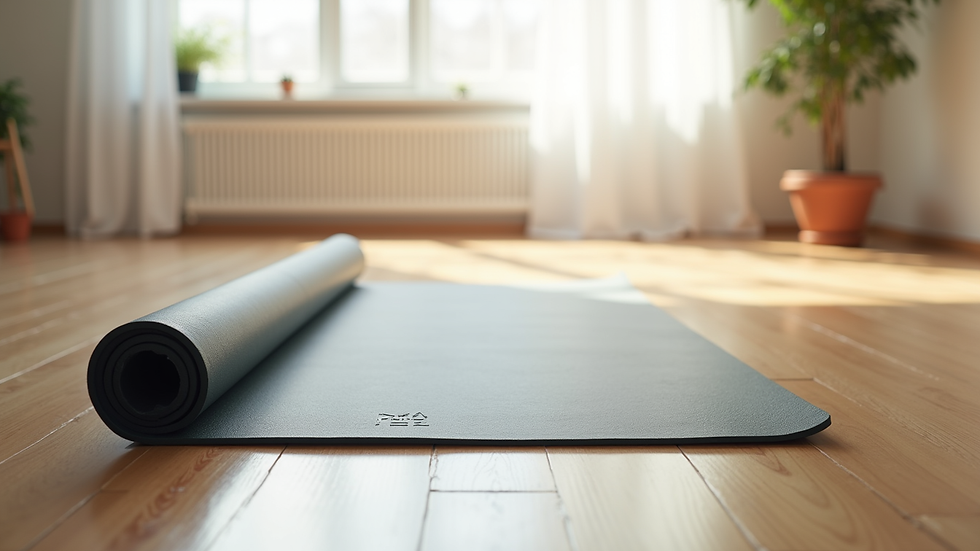
Essential Pilates accessories that support safe and effective back pain exercises.
How Long Does It Take for Pilates to Help Back Pain?
The time it takes to experience relief from back pain through Pilates varies depending on several factors, including the severity of the pain, consistency of practice, and individual health conditions. Generally, many people notice improvements within 4 to 6 weeks of regular Pilates sessions.
Consistency is key. Practicing Pilates at least 2-3 times per week can lead to:
Reduced pain and stiffness
Improved posture and muscle balance
Increased mobility and flexibility
For chronic or severe back pain, it may take longer, and combining Pilates with other treatments such as physiotherapy or medical advice is recommended. Always consult a healthcare professional before starting any new exercise program.
Tips for Practicing Pilates Safely for Back Pain
To get the most benefit from Pilates and avoid aggravating your back pain, follow these practical tips:
Start with a qualified instructor: A trained Pilates teacher can tailor exercises to your needs.
Focus on form: Proper alignment and controlled movements are essential.
Listen to your body: Avoid any movements that cause sharp or increased pain.
Use props: Pilates balls, bands, and cushions can provide support.
Warm up and cool down: Gentle stretching before and after sessions helps prevent injury.
Be patient: Progress may be gradual, but persistence pays off.
If you are new to Pilates or have a history of back problems, consider joining a beginner class or private sessions to ensure safety.
Where to Find Back Pain Relief Pilates Classes
Finding the right Pilates class can make a significant difference in your back pain journey. Look for studios or instructors who specialise in therapeutic Pilates or have experience working with back pain clients.
One excellent resource is back pain relief pilates, which offers tailored Pilates sessions designed specifically for those suffering from back pain. These classes focus on gentle strengthening and flexibility exercises that support spinal health.
Many studios also offer online classes, which can be convenient if you prefer to practice at home. When choosing a class, check reviews, instructor qualifications, and class size to ensure a supportive environment.
Pilates is a powerful tool for managing and relieving back pain. By strengthening the core, improving posture, and increasing flexibility, it helps create a healthier, more resilient back. With consistent practice and proper guidance, Pilates can transform your approach to back pain and enhance your overall well-being.


Comments