

Crafting Your Ideal Weekly Pilates Schedule
- moirespilates
- Nov 17, 2025
- 3 min read
Pilates is a fantastic way to improve your strength, flexibility, and overall well-being. Whether you are a beginner or have been practising for years, creating a structured weekly Pilates schedule can help you stay consistent and see better results. This guide will walk you through how to design the best Pilates routine tailored to your lifestyle and goals.
Understanding the Best Pilates Routine for Your Needs
Before diving into scheduling, it’s important to understand what makes a Pilates routine effective. Pilates focuses on core strength, posture, and controlled movements. The best Pilates routine balances intensity, variety, and recovery.
Frequency: Aim for 3 to 5 sessions per week depending on your fitness level.
Duration: Sessions can range from 20 to 60 minutes.
Variety: Mix mat Pilates with equipment-based exercises like reformer or resistance bands.
Progression: Gradually increase difficulty to avoid plateaus.
For example, beginners might start with 20-minute mat sessions three times a week, while more advanced practitioners can add reformer classes and increase session length.

How to Structure Your Weekly Pilates Schedule
Creating a balanced weekly Pilates schedule involves planning workouts that target different muscle groups and allow for rest. Here’s a sample structure to consider:
Day 1 - Core and Stability Focus
Concentrate on exercises that strengthen your abdominal muscles and improve balance.
Day 2 - Flexibility and Mobility
Include stretches and movements that enhance joint mobility and muscle flexibility.
Day 3 - Full Body Strength
Use Pilates equipment or bodyweight exercises to engage all major muscle groups.
Day 4 - Active Recovery or Rest
Gentle stretching or light walking to promote recovery.
Day 5 - Posture and Alignment
Focus on exercises that improve spinal alignment and posture.
Day 6 - Cardio Pilates or Dynamic Flow
Incorporate faster-paced Pilates sequences to boost cardiovascular fitness.
Day 7 - Rest or Meditation
Allow your body to recover fully with rest or mindfulness practices.
This schedule can be adjusted based on your availability and fitness goals. Remember, consistency is key to progress.
Tips for Maximising Your Pilates Sessions
To get the most out of your Pilates practice, consider these practical tips:
Warm Up and Cool Down: Always start with gentle warm-up movements and finish with stretches.
Focus on Form: Quality over quantity. Proper technique prevents injury and enhances benefits.
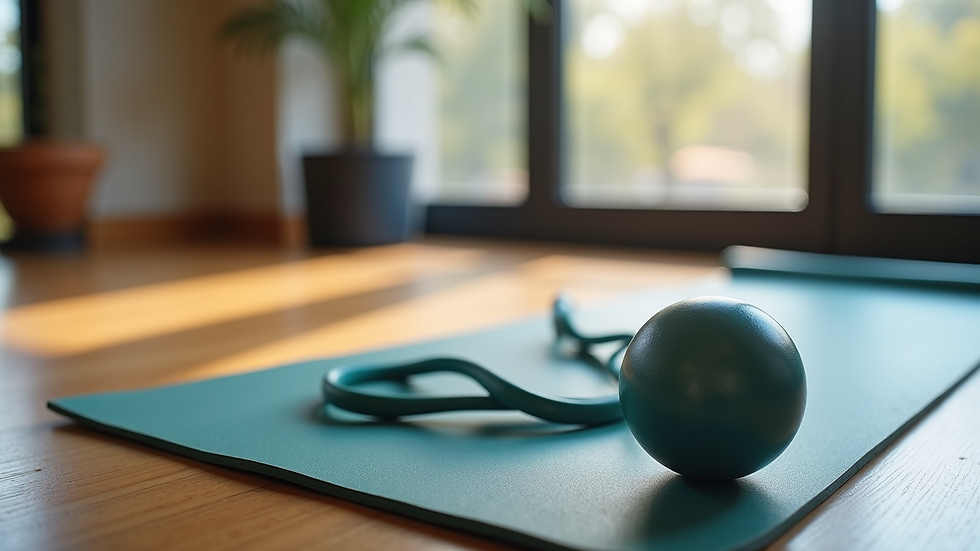
Use Props: Incorporate resistance bands, balls, or Pilates rings to add variety.
Listen to Your Body: Modify exercises if you feel pain or discomfort.
Track Your Progress: Keep a journal of your sessions, noting improvements and challenges.
By applying these tips, you’ll create a sustainable and enjoyable Pilates routine.
Incorporating Pilates into Your Lifestyle
Pilates is not just a workout; it’s a lifestyle choice that promotes mindfulness and body awareness. To integrate Pilates seamlessly:
Schedule Sessions Like Appointments: Treat your Pilates time as non-negotiable.
Create a Dedicated Space: Whether at home or in a studio, having a specific area helps build routine.
Combine with Other Activities: Pilates complements walking, swimming, or yoga.
Stay Motivated: Join classes or online communities for support and inspiration.
For those looking to start or refine their practice, exploring a weekly Pilates schedule can provide structure and expert guidance.
Making Adjustments for Long-Term Success
Your Pilates routine should evolve with your progress and lifestyle changes. Here’s how to keep it effective:
Reassess Goals Regularly: Are you aiming for strength, flexibility, or rehabilitation?
Increase Challenge Gradually: Add more complex exercises or longer sessions.
Incorporate Rest Weeks: Allow your body to recover every 6 to 8 weeks.
Seek Professional Advice: Consider sessions with a certified Pilates instructor for personalised feedback.
By staying flexible and responsive to your body’s needs, you’ll maintain motivation and avoid burnout.
Embracing the Journey of Pilates
Crafting the best Pilates routine is a personal journey that requires patience and commitment. With a well-planned weekly Pilates schedule, you can enjoy improved posture, strength, and mental clarity. Remember, the key is consistency and listening to your body’s signals. Start small, stay dedicated, and watch your Pilates practice transform your life.


Comments